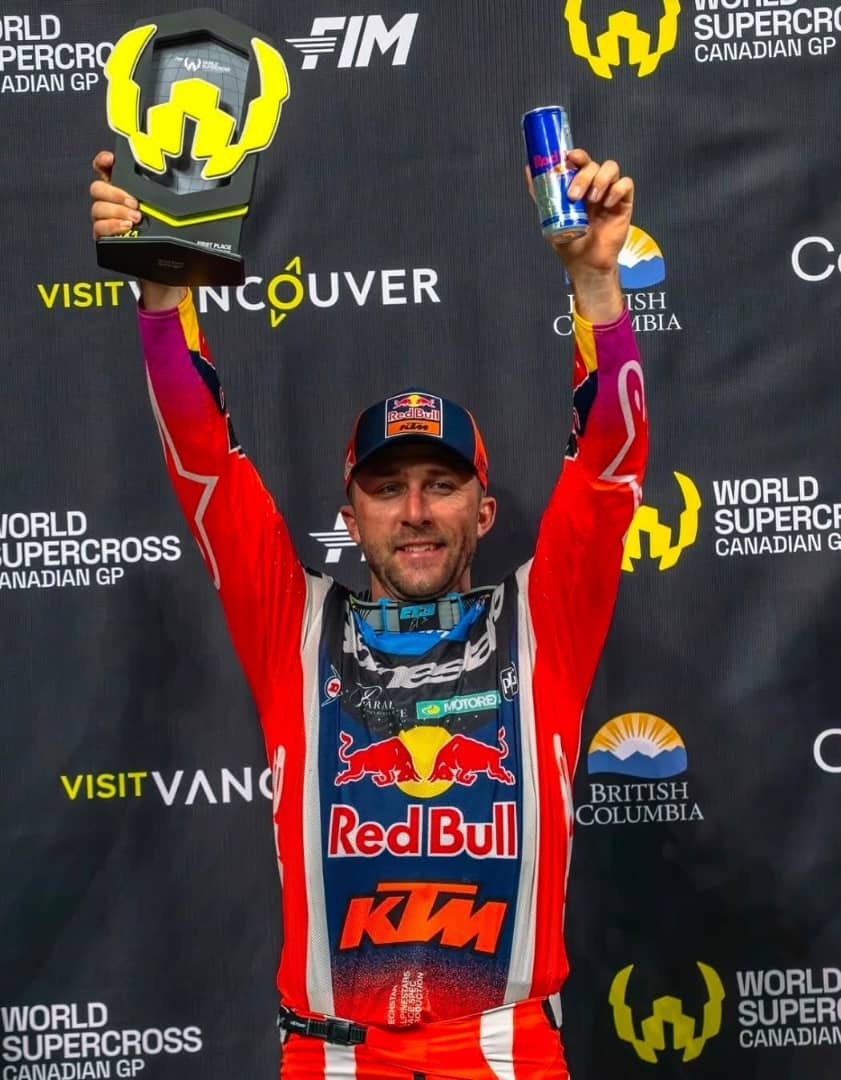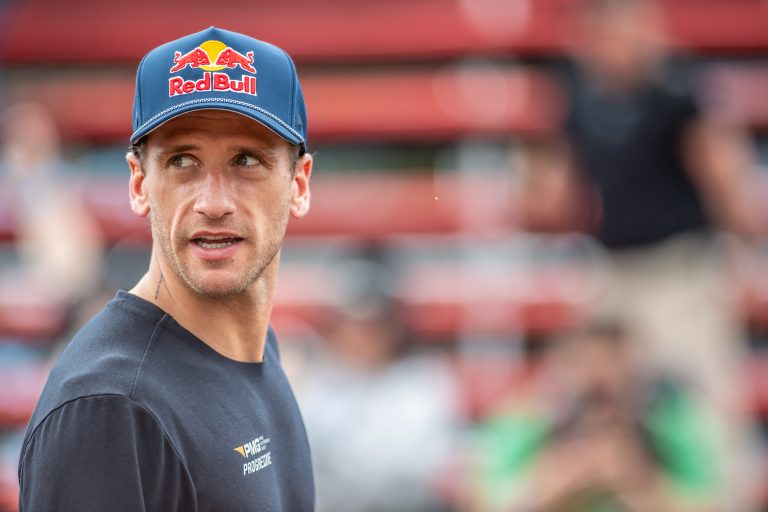
As two of the most prominent names in motocross today, Jett and Hunter Lawrence have become synonymous not just with on-track success, but also with an exceptionally busy off-season. While many riders use the offseason to wind down, rest, or focus only on training, the Lawrence brothers take a different path and that path comes with both clear benefits and significant tradeoffs.
The Scale and Motivation of the Off-Season Program
To begin with, it’s not just padding out their calendars: the Lawrences leverage the off-season as a strategic extension of their competitive edge.
They participate in international events and non-AMA series, keeping themselves race-ready and sharp.
They engage in promotional appearances (e.g., the Lawrence Factory Fan Zone during Supercross weekends), which not only boost their personal brand but deepen fan engagement.
Their continued participation is clearly motivated by more than just passion, there’s a well-thought-out business component, including VIP experiences and increased visibility.
From Jason Thomas’s vantage point, this shows ambition. Rather than taking time off, the Lawrences are treating every “off” moment as part of a larger season: a holistic, year-round racing business.
Competitive Upsides: Staying Sharp and Building Momentum
a) Race Fitness and Technical Consistency
One of the biggest advantages of such a packed off-season is staying race sharp. Rather than starting each season as though coming out of a long break, the brothers can maintain and even improve their pace, consistency, and mental resilience.
b) Psychological Advantage
Racing during traditional “downtime” means they’re constantly competing, which helps them sharpen mental toughness. They face different track conditions, formats, and competition. This also builds a psychological edge: coming into major AMA events, they’re not out of practice but battle-tested.
c) Historic Results Backing It Up
The strategy seems to be working. For example, at Spring Creek MX Park, Jett and Hunter executed a dominant 1–2 finish in their motos. At Denver Supercross, they made history by finishing 1st and 2nd respectively, a first for brothers in that premier class. These results underscore that their off-season commitment helps translate into top-tier performance when it matters.
Drawbacks and Risks of a Grueling Schedule
However, this “always-on” approach isn’t without pitfalls, and Jason Thomas would rightly caution that the strategy comes with real costs.
a) Physical & Mental Fatigue
Racing isn’t just trainig, it’s high stakes, high stress. Constant competition means a higher injury risk, less recovery time, and potential burnout. Even elite athletes need true rest; without it, performance can suffer.
b) Overexposure
By racing so much, there’s a risk of diluting the impact of their big AMA moments. If fans see them dominate all year round, some of the dramatic buildup to major events could be lessened. Moreover, commercial partners might worry about “oversaturation” or look for fresh faces if the brothers are constantly visible.
c) Logistical Strain
Travel, shipping bikes, adjusting to different regulations and track styles. these all require resources and energy. The operational burden of a year-round racing schedule can be enormous: team staff, mechanics, logistics, and planning all have to scale up.
d) Opportunity Cost
By committing so heavily to off-season racing, the Lawrences may be limiting time for cross-training, personal rest, or other pursuits (endorsements, training innovations, or even alternative racing formats).
Commercial and Brand Implications
From a business and branding perspective, Jason Thomas would likely highlight the following:
Fan Engagement: Their off-season activities, especially VIP experiences like “Lounge with the Lawrences” or “Rev Up with the Lawrences,” deepen fan loyalty.
Long-Term Legacy: By staying relevant and visible year-round, they’re building a legacy not just for race wins, but for influence in the sport. Their presence quietly becomes part of fans’ expectations and the paddock culture.
Sustainability Risk: But this longevity strategy demands sustainable management. If they push too hard for short-term exposure, they risk injury or burnout, which could jeopardize long-term brand value.
Strategic Recommendations (From Thomas’s Perspective)
Based on the evaluation, here’s what Jason Thomas might recommend as a balanced roadmap for the Lawrences going forward:
1. Prioritize Recovery Blocks
Even super-committed racers need “real breaks.” Scheduled off-season rest or limited racing windows could help preserve their careers and ensure peak performance.
2. Selective Race Participation
Rather than racing every available off-season event, they might pick races that maximize return — in competition, brand value, and media exposure — while minimizing risk.
3. Mental Health & Wellness Investment
Invest in mental performance coaches, sports psychologists, and recovery specialists to manage stress, maintain motivation, and guard against burnout.
4. Strategic Brand Partnerships
Leverage off-season visibility for better commercial deals, but ensure partnerships align with long-term goals rather than short-term activation.
5. Succession and Legacy Planning
As they build their brand, consider how to extend their reach: future commentary roles, mentoring, or even building a team/academy could ensure their impact continues beyond their peak racing years.
Video Link: https://youtu.be/N8ye-Uglpic?si=cOS9ZOLQ2oWG0Vsx

In sum, Jason Thomas’s evaluation of the Lawrence brothers’ packed off-season racing schedule would likely be cautiously optimistic. There’s enormous upside: competitive sharpness, brand growth, and an unrelenting drive. But with that comes real risk — physically, mentally, and commercially.
If managed well, their strategy could pay off in long-term dominance and legacy-building. If not, it could lead to burnout or overexposure. The challenge for the Lawrences — and their management — is to strike the balance: race enough to stay elite, but rest enough to stay in the game for the long haul.